

Fall & Winter Backyard Bird Tips
As temperatures cool and daylight hours shorten, backyard birds begin preparing for the months ahead. A few simple adjustments to your feeding station can help make your yard a welcoming place throughout fall and winter.
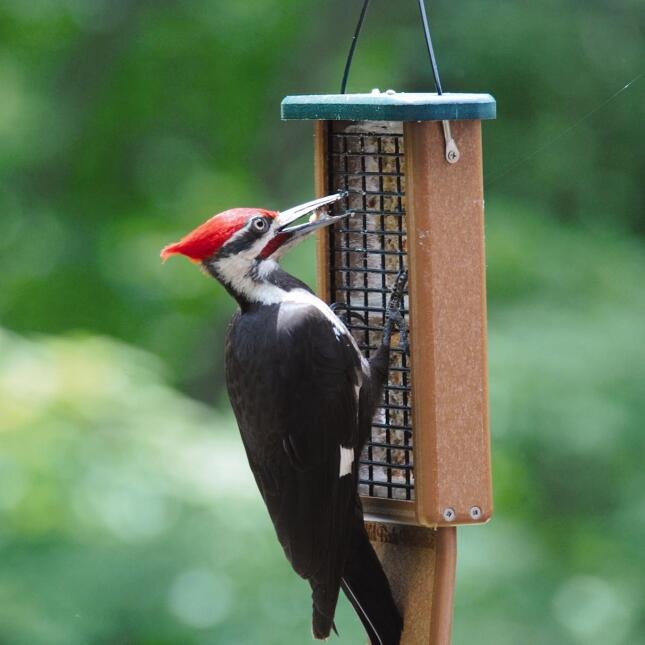
What's Happening in Nature?
- Birds are storing food. Chickadees, titmice, nuthatches, and jays often hide seeds in fall to retrieve later. This behavior is called caching.
- Feeding habits are changing. As natural food sources become less abundant, birds may visit feeders more frequently.
- Winter visitors are arriving. Watch for seasonal changes in bird activity, including Dark-eyed Juncos and other birds that may become more noticeable as the weather cools.
Five Ways to Help Your Backyard Birds
- Offer energy-rich foods. Black-oil sunflower seeds, peanuts, and suet provide valuable fat and calories during colder weather.
- Provide fresh water. Birds need water year-round, including during winter. Keep birdbaths clean and consider a heated option when freezing temperatures arrive.
- Keep feeders clean. Regularly clean feeders and remove accumulated seed hulls and debris from feeding areas.
- Provide shelter. Trees, shrubs, and suitable roosting boxes offer protection from cold weather, wind, and predators.
- Prepare your feeding station. Check feeder placement, mounting hardware, and accessibility before winter weather arrives.
Let's Enjoy Nature Together!
Not sure which foods or feeders are best for your backyard visitors? Stop by Wild Birds Unlimited in Peachtree City. We're happy to help you make the most of your backyard bird-feeding experience.
For more information, explore Wild Birds Unlimited's Fall Bird-Feeding Tips and Winter Bird-Feeding Tips.